


Digging deep for Deep Creek

Staff Reporters
23 February 2026, 7:33 PM
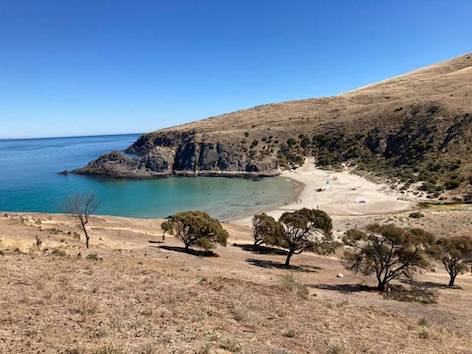
Native plants and animals impacted by the Deep Creek National Park bushfire are set to bounce back under a dedicated fund launched last week.
The Wildlife Recovery Fund – established in partnership with the Nature Foundation – is now open, enabling South Australians to contribute and give endangered species like the southern emu-wren the best chance of recovery in the region.
It comes as sections of the park have reopened, providing public access to Stringybark Campground and nearby walking tracks, Boat Harbour Beach and some accommodation sites. Other impacted areas will remain closed until further notice.
The state government has worked closely with Yankalilla Council to establish a Local Recovery Committee to identify and manage local issues and provide updates.
Action is also underway to support the Hills and Fleurieu Landscape Board and landholders to undertake vital recovery work on the ground.
There will also be a benefit concert at Wirrina Holiday Park on Sunday 1 March. The family-friendly music and camping festival will run from 10am to 10pm and will feature markets and activities to raise funds for the community and wildlife affected by the Deep Creek fire. Tickets are $25 via Trybooking.
The Wildlife Recovery Fund will help deliver projects that support the restoration of key habitats destroyed in the Fleurieu Peninsula fire, which saw more than 200 CFS volunteers, DEW personnel and interstate crews tackle the week-long blaze.
Deep Creek National Park is home to a diverse array of flora and fauna including short beaked echidnas, western grey kangaroos and 100 species of birds.
Firefighters worked tirelessly to save native species’ habitat, conducting backburning in key areas and targeted aerial responses to mitigate the fire’s spread.
These efforts limited the burnt area to 4,500 hectares, comprising about 40 per cent of Deep Creek National Park and nearly all of Talisker Conservation Park.
Initial assessments of fire-affected biodiversity have found:
- About half of the endangered southern emu-wren and western beautiful firetail’s habitat impacted.
- Around 40 per cent of the southern brown bandicoot’s park habitat affected.
- Populations of bassian thrush, yellow-bellied water skinks, flame sedge-skipper butterflies and Kangaroo Island spider orchid affected.
Funds raised will be used for immediate works – such as fence repair and weed control – along with monitoring and research to understand the long-term effects of the fire.
Department for Environment and Water Conservation and Wildlife Director Lisien Loan says South Australians respond generously in the aftermath of bushfires and money raised through the Wildlife Recovery Fund is vital for restoration efforts.
“The fund will be used to re-establish habitat for wildlife, particularly threatened and vulnerable species, and support scientific research to guide our future responses.”
Nature Foundation Chair Jan Ferguson OAM says Deep Creek and the surrounding areas are of great importance for South Australian biodiversity, serving as a haven for native flora and fauna.
“Deep Creek also holds a deep affinity for people, allowing them to experience and connect with nature.
“All donations have a real impact on the recovery of fire-affected landscapes, ecosystems and species.”
The Wildlife Recovery Fund raised more than $450,000 after the devastating 2019-20 fires across the Adelaide Hills, Kangaroo Island, Eyre Peninsula and South East.
Grants between $1,000 and $50,000 were distributed to 20 recovery projects, including species relocation, monitoring programs and pest animal and plant control.
To support Deep Creek’s recovery and contribute to the Wildlife Recovery Fund, visit the website.