


New dog new breeder licencing scheme

Staff Reporters
27 January 2026, 1:35 AM
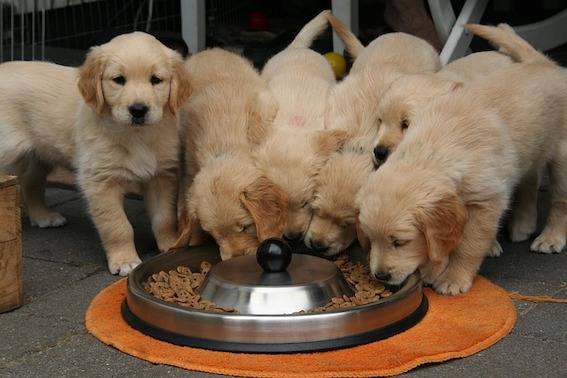
The toughest breeder licencing scheme in the nation is being implemented to support the state government’s ban on large-scale puppy farms and hold irresponsible breeders to account.
South Australians can have their say on the scheme – which was a key election commitment – setting out minimum standards for the management of breeding animals with stronger penalties, helping to stamp out cruel practices in the sector.
Under the changes, breeders will undergo a rigorous assessment to obtain a licence – including providing a detailed history and background checks. A licence will not be granted if an applicant, or spouse/partner, has been convicted of certain offences.
The reforms also enable breeder licences to be suspended and cancelled for non-compliance – with penalties increased to a maximum of $10,000.
It builds on new laws passed in June to prevent puppy factories from being set up in SA and regulations currently in place that limit how many dogs a breeder can house.
The public are encouraged to provide feedback on stricter limits proposed under the new breeder licencing scheme, including:
- Twenty female dogs per breeding facility/site.
- Fifty female dogs per breeding program, enabling oversight for larger breeding programs where animals are housed at multiple locations.
- A maximum of five litters per breeding female.
- A maximum of two litters every 18 months per breeding female.
- A minimum breeding age of 12 months and maximum of six years.
- Individual limits on the number of female dogs will be applied to each breeder’s licence, based on information provided during the application process.
Mandatory reporting of each litter has also been introduced.
RSPCA SA Head of Animal Welfare Andrea Lewis has welcomed the changes, saying animal welfare should be the cornerstone of any breeding operation, regardless of the species.
“Having attended puppy farms alongside RSPCA inspectors and witnessing some of the worst conditions in which animals can be housed in – and the lasting harm this causes to mothers and their puppies – RSPCA South Australia welcomes the introduction of these stricter requirements for breeders.
“The breeders who are doing the right thing and complying with the Standards and Guidelines for breeding and trading should also be appreciative that poor quality, substandard conditions should not be tolerated in modern society.”
To help shape the reforms, visit the YourSAy site. Consultation is open until Friday 13 February.
The new breeder licencing scheme is expected to take effect early next year, allowing time for upgraded processes and systems to be developed.